If you have time I would enjoy reading an essay from you @chantal about experience with CFDs. I am particularly interested to know
How does a CFD business work? What does overnight interest actually pay for? What and how does the provider hedge? Does the provider make more money if clients close losing positions compared to closing profitably? Or does hedging make the provider indifferent?
Can CFDs be of any occasional use to investors who are principally not short term traders?
What is the right strategy for depositing funds: only enough to open the position, or more than enough to give yourself a comfortable buffer?
Is the figure about 76% clients losing money as bad as it sounds? It might be that we are seeing 76% lose an average of £1000, but 24% profitably making on average £5000.
Many providers offer CFDs but with greatly varying fee structure, on spread, fx, transaction fee and platform ease of use. This makes it very hard to say which is best to use. Why do you like Trading 212?
I could tolerate trading in T212 CFD previously. But my strategy will not profit given current “climate”. We could all use common sense in applying “current market conditions” and the changes made on this platform. Do they have a choice? Hedging is already extremely difficult on their end.
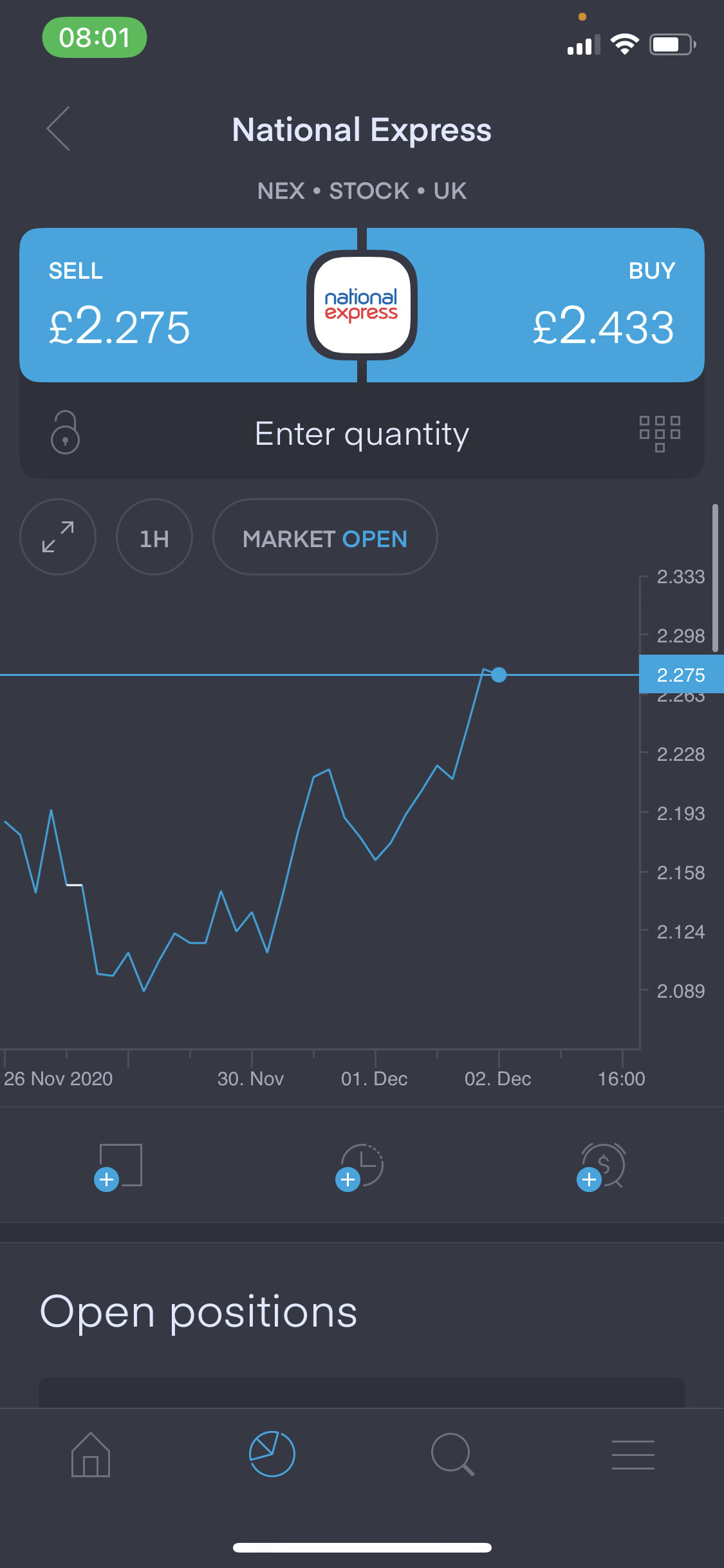
As price goes higher (against my trade position), spreads becomes smaller --> Loss gets smaller
As price goes lower (toward my trade position), spreads becomes bigger --> Loss gets bigger
I am just wondering how big the spread could potentially become if market continues going toward my position?
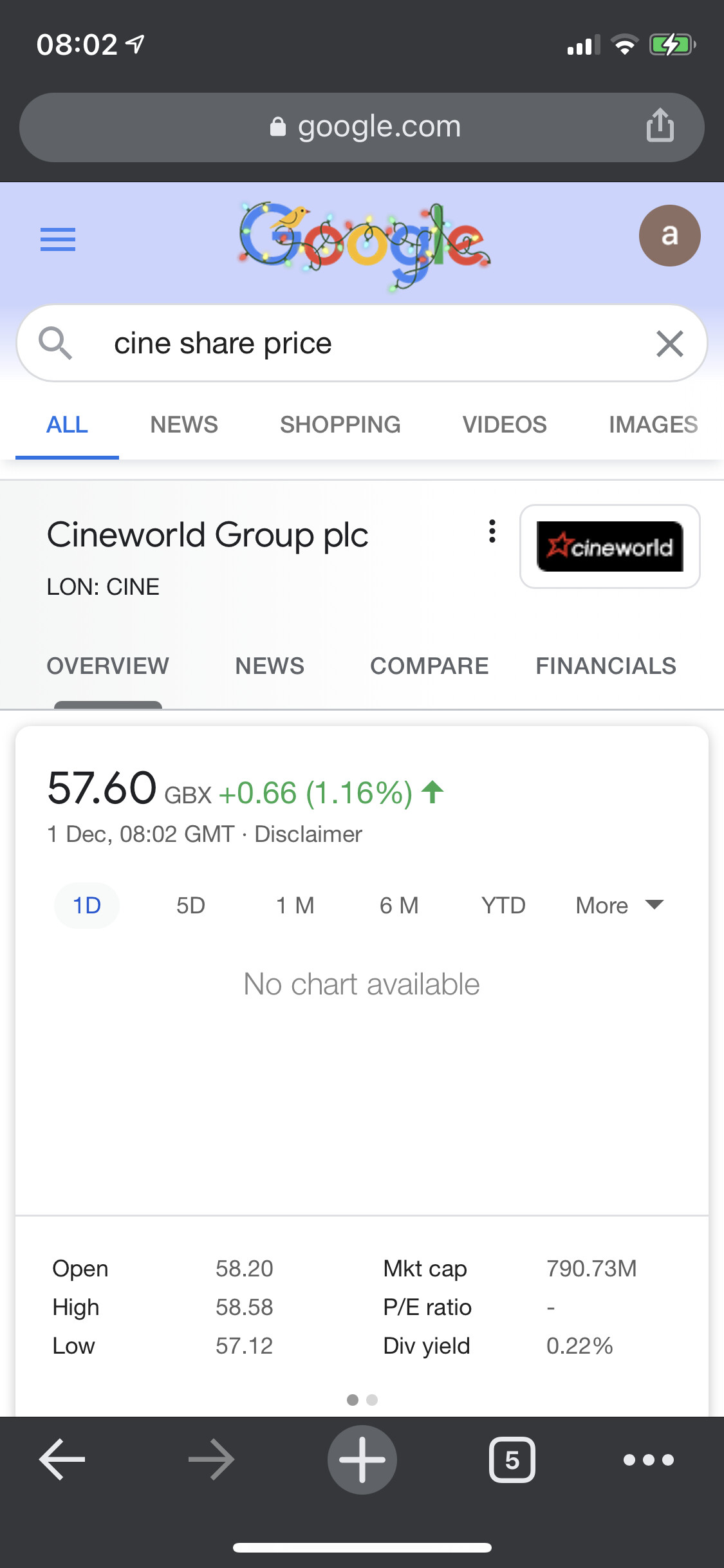
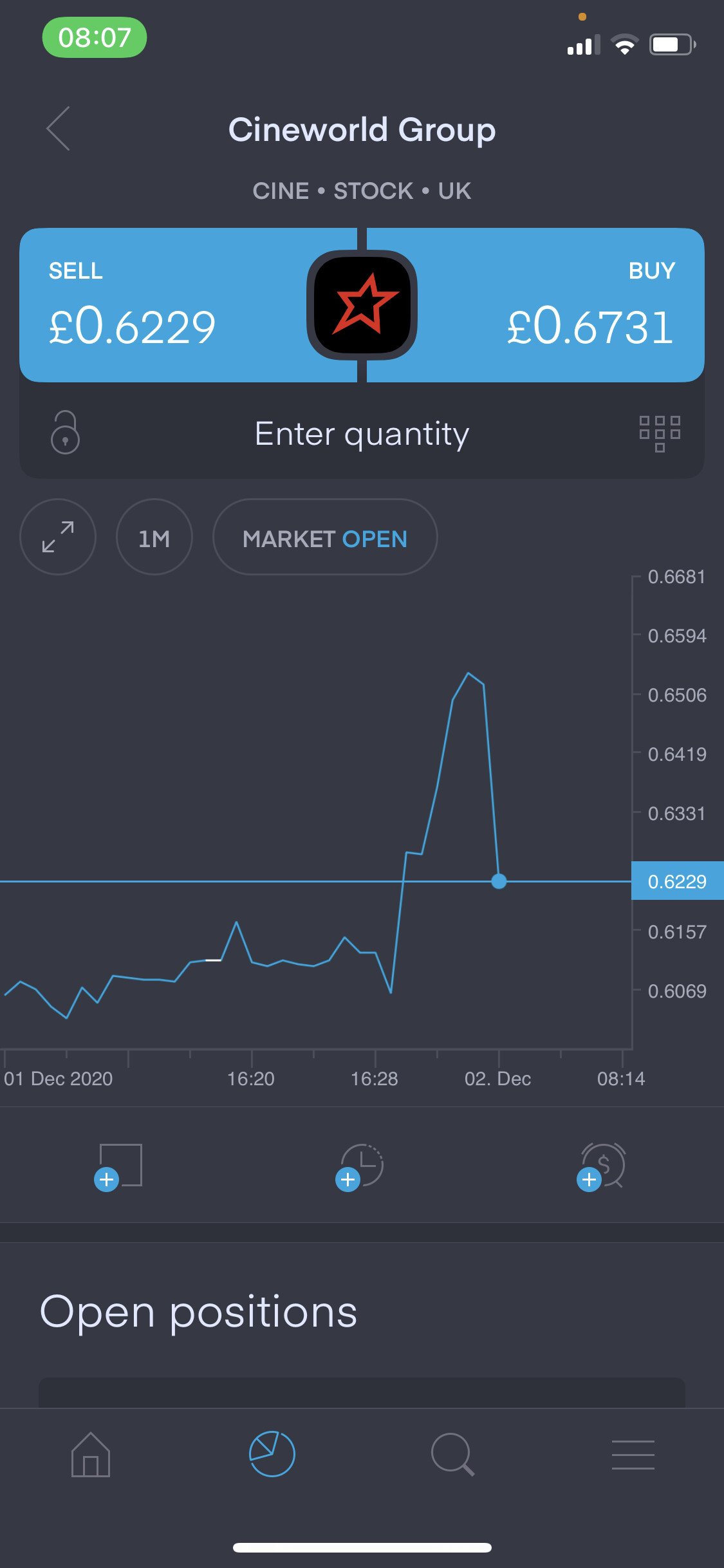
I just did experiment in practice accounts. Sold 1000 Cineworld and then immediately closed. Lost £11.80. Did the same thing in IG practice account, lost £28 (including £10 transaction fee each way). Did same with Plus 500, lost £27.
The difference is that IG and Plus 500 also allowed me to go long. Trading 212 has 0 long available.
With bigger position of 10000. IG would have lost me £100, whereas T212 would lost £118.
This is interesting information. Thanks for gathering it together. I think I need to get my head around this if I’m going to continue trading on the CFD platform.
Does the concept of “floating” and “fixed” modes for spreads only apply to CFD? If so, how do spreads work for ISA/INVEST?
Are these “floating” and “fixed” modes for the spread set at an individual instrument level or are they set globally for all instruments?
Are all instruments set to “fixed” mode subject to exactly the same spread percentage? What is that percentage?
Are all instruments set to “floating” mode subject to exactly the same spread percentage? What is that percentage?
Is there a way to determine what mode an instrument is currently using?
Is it possible to see a graph of the spread over time for an individual instrument in ISA/INVEST and/or CFD?
What are my options for seeing the “base spread”? Does ISA/INVEST use the base spread directly (i.e. no markup)?
Finally, @David, can you provide an example, using actual figures, of how the two modes would be applied to real world examples please?
I think as the users here continue to trade and their trading knowledge starts to increase exponentially, they are eventually going to want answers to these sorts of questions. Especially if they want to plan trades at an OCD level like the pro Youtube guys.
Situations like the recent “Spreadening” and random shifting of goalposts will make this difficult. Difficult enough that they may jump ship.
It makes me wonder if that’s a legitimate and intended customer journey. Noobies join T212, get good at trading, and eventually realize it’s difficult to trade on the platform due to the randomly changing rules. They move somewhere else like Interactive Brokers where they’re at a level they can handle IB’s fee structure in return for more stationary goalposts. By then T212 would have made some profit off them, and they’ll be replaced by a fresh batch of new traders anyway to repeat the cycle.
There are obviously some users who join up, try CFD (sometimes by accident) then go onto ISA or Invest. They won’t care. Maybe that’s the majority. Who knows.
What has become obvious after the big incident though is that there are many more CFD traders here than I thought. They exploded out of nowhere during the panic. Many of them thinking that they own actual shares too.